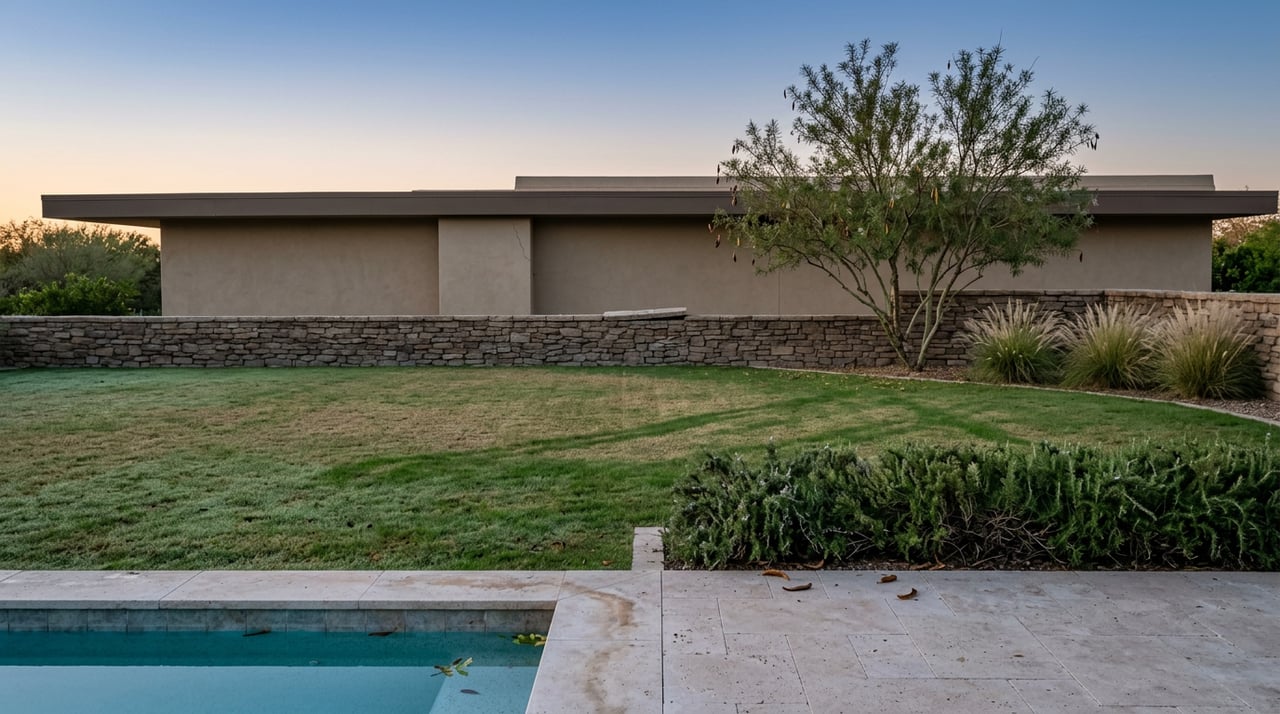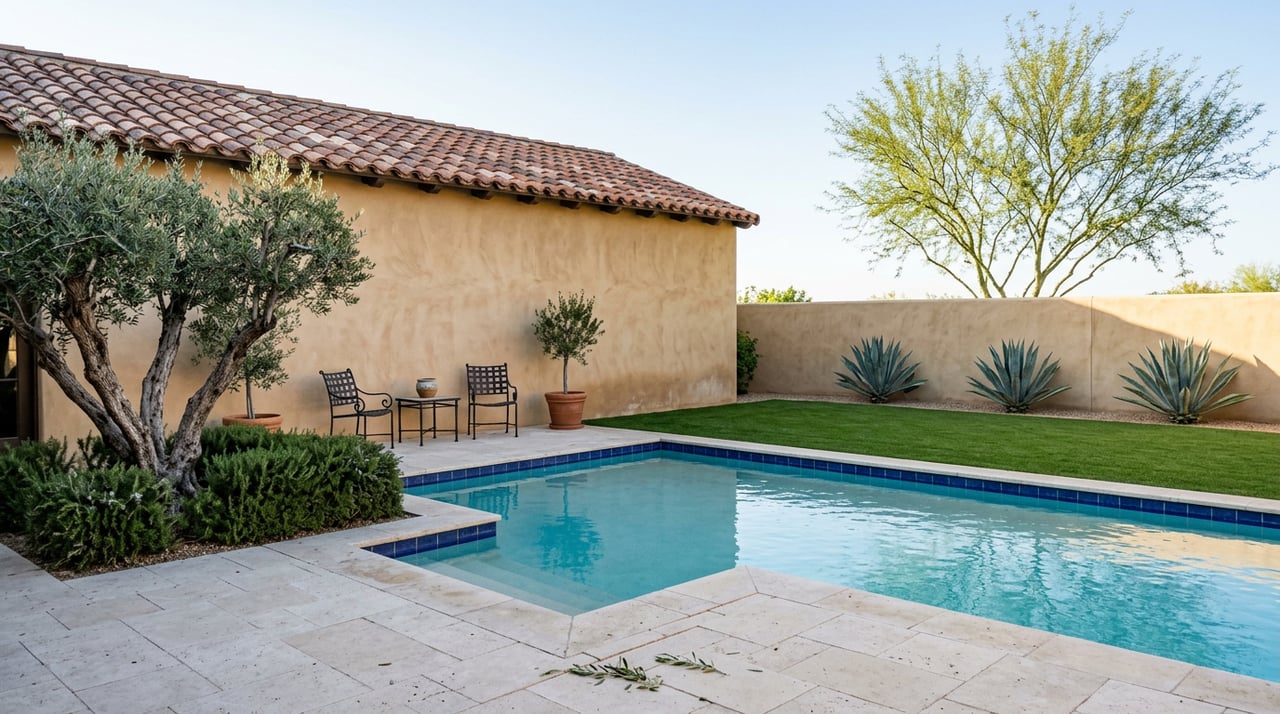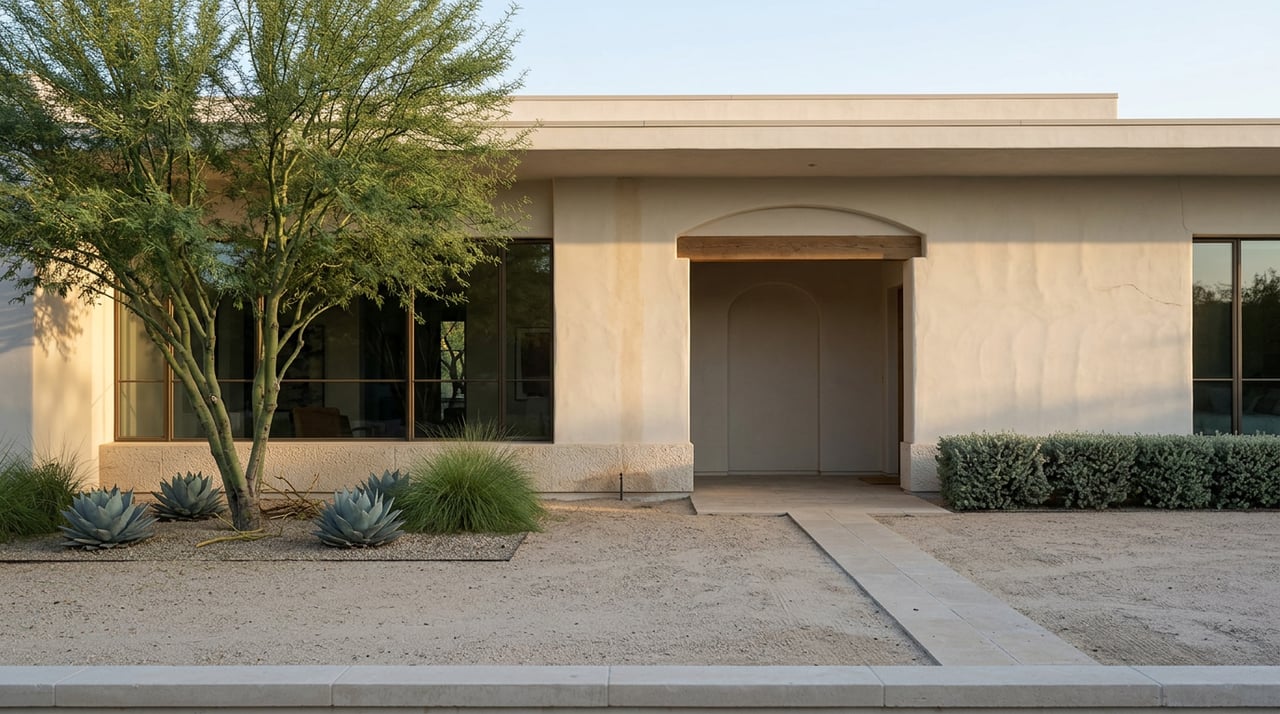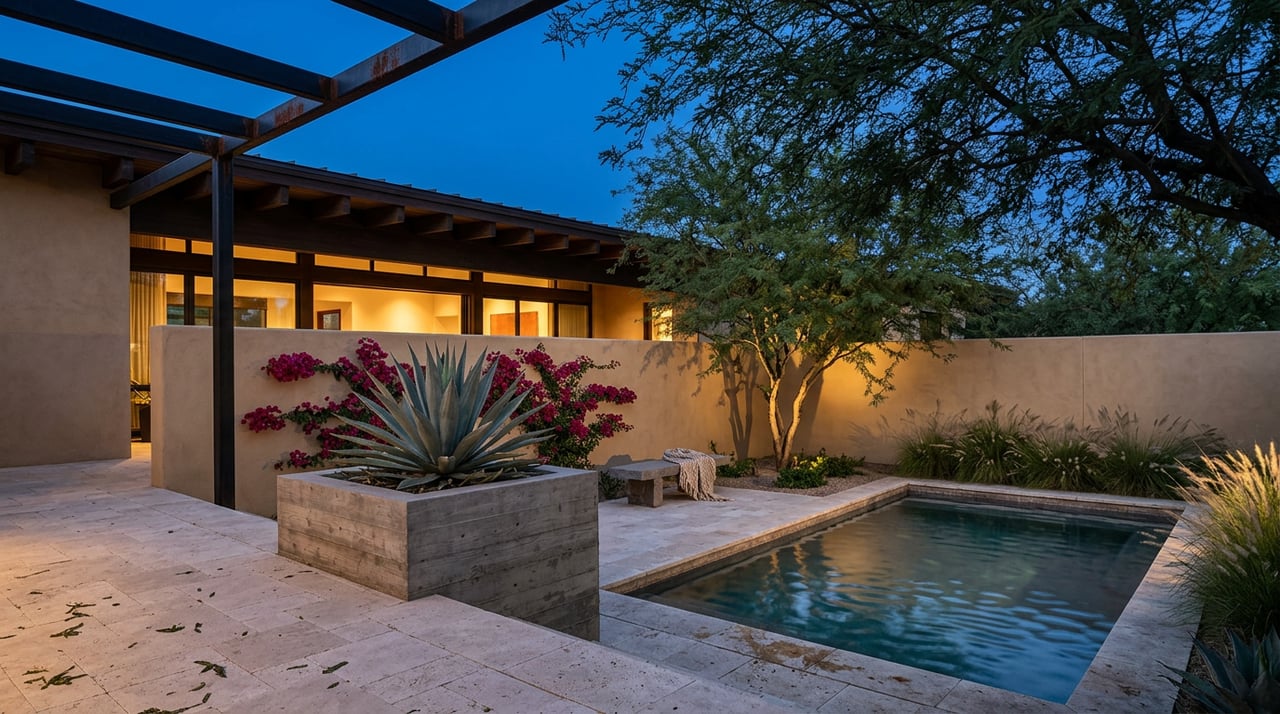
If you've been to The Key since it opened, you already know the pitch. Poolside cantina, new Main Bar with a wraparound counter that finally has enough seats for the whole Sunday crowd, an Instruction Performance Center that makes the old range look like a driving cage. Eight months after the final phases of the club's renovation opened in January, the finished spaces are exactly what the renderings promised.
But if you've spent any real time on the club's own renovation site rather than the marketing pages, you've seen a different conversation. It's the one about whether members should cross 52nd Avenue by crosswalk, bridge, or tunnel to reach the parcel the club bought from the old Price's Nursery. It's the one about a $4.2 million assessment split between a kitchen expansion and an irrigation pump station that got fast-tracked because the pump couldn't wait. That FAQ page, written in plain member-to-member language with real dollar figures and unresolved questions, tells you more about how The Hideaway actually runs than any photo of the new bar ever will.
What's Actually Open This Fall
Start with the parts you can walk into today. The Key is the club's new poolside cantina, built for the kind of casual afternoon that didn't have a real home before. The Main Bar was expanded as part of the same push, giving the upstairs its own identity separate from the formal dining room. The Wine Cellar's 3,000-bottle private dining space is booking small dinners and tastings for groups up to twenty. And Snicky Snack, the on-course comfort stop members have loved for years, is still there, now with its own line item in the renovation budget for an upgrade the club considered folding into the new restaurant before deciding the traffic flow wouldn't work.
The practice side got real investment too. The newly expanded Hideaway Instruction Performance Center gives members teaching technology that wasn't part of the original 2003 build. Combined with new greens on both the Pete Dye and Clive Clark courses and refreshed bunkers, the golf product changed as much as the social spaces did.
None of this happened by developer decree. Discovery Land Company built The Hideaway in 2003 and handed it to the membership in June 2021. Every dollar spent since has gone through a member vote, and the renovation that funded all of this passed with 96 percent of the membership voting and more than two-thirds in favor. That's the part worth sitting with. This is not a club where amenities arrive from above. Members approved the spending, and members are now working through the details in public.
The Fine Print Nobody Photographs
Here's where it gets interesting. The club's renovation FAQ site doesn't read like a glossy update. It reads like the minutes of an HOA meeting that happens to involve a $50 million project. One entry breaks down a $4.2 million special assessment: roughly $3 million for a kitchen expansion and remodel, roughly $1.2 million for an irrigation pump station that turned out to be more urgent than expected. The club had planned to front the cash for the kitchen work and assess later. The pump station's timeline changed that plan, so both got bundled into one assessment across 430 members.
What stands out isn't the number. It's that the club posted every member question about it, and answered every one, on the member website for anyone to read. According to the FAQ itself, fewer than half a dozen questions came in about the whole thing. For a project this size, that's a low temperature. It suggests a membership that trusts the process because the process has been transparent from the start, not because nobody's paying attention.
The Land Across 52nd Avenue
The unresolved piece is the one that matters most if you're trying to picture what The Hideaway looks like in three years. The club acquired the old Price's Nursery parcel, directly across 52nd Avenue from the back gate, with an eye toward relocating or expanding racquet sports and possibly adding a dog park. The FAQ makes clear that nothing is settled. A crosswalk, a bridge, or a tunnel are all still on the table, and which one gets built depends on cost and city approval. No existing tennis or pickleball courts will be touched until their replacements are ready on the new site. The club has also been explicit that it will not exceed its membership cap regardless of how the new acreage gets used, though a waiting list may eventually form.
This is the kind of detail a marketing page skips entirely, because it isn't finished and it isn't flattering in the way a finished cantina is. But it's the truest picture of a member-owned club working through a real decision with real tradeoffs, out loud, before the concrete gets poured.
Why the Number Kept Moving
When the renovation was first approved for construction starting in 2024, reporting on the vote put the project at $46 million, covering both golf courses and the clubhouse. By the time the final phases opened this January, the figure being cited had grown to nearly $50 million. That's not a case of a budget spiraling out of control. It's closer to a club trying to do two things at once that don't naturally pull in the same direction.
General manager Thor Damerval said as much when the renovation broke ground, describing the tension every private club board eventually faces:
"If you want to help retain your membership and focus on satisfaction, put money into the golf course."
Grow membership and you invest in the pool, the cantina, the fitness building. Retain the membership you already have and you invest in the greens and bunkers. The Hideaway tried to do both in the same two-year window, which is a reasonable explanation for why the number moved. It also explains why the club didn't choose between a poolside bar and new greens. It built both, and the fine print absorbed the difference.
The Calendar Hasn't Changed, Just the Backdrop
None of this touched the parts of Hideaway life that have nothing to do with construction budgets. Mahjong Mondays are still Mahjong Mondays. Taco Tuesdays still happen. The club's Bark Brunch, the event locals mention first when they describe what makes this membership different from other desert clubs, is still on the calendar. The difference is where those gatherings happen now. A Monday mahjong game might move to the new Main Bar instead of the old lounge. A Bark Brunch might spill onto the expanded patio under the new pergola-covered dining area instead of the smaller veranda it used to occupy.
The social culture that built The Hideaway's reputation as one of the desert's more informal, younger-skewing private clubs didn't get replaced by the renovation. It got a bigger room to happen in.
The Takeaway
The Hideaway's renovation is often described as a story about new spaces: a cantina, a bar, an instruction center. That's true, but it's the easy half of the story. The harder, more revealing half is sitting in a member FAQ page most people never open, where a $4.2 million assessment got explained line by line and a crosswalk-versus-tunnel decision is still being weighed against city approval and cost. That level of transparency, applied to a project this size, says more about what it's like to belong to this club than any photo of the new pool bar.
If you're a Hideaway member curious about how these changes might affect the value or feel of your own place inside the gates, or you're weighing a move within the community as the new spaces settle in, Craig Chorpenning knows this club as well as anyone working in La Quinta real estate. Reach out for a conversation about what's next, no obligation, just a straight answer from someone who's been tracking Hideaway's evolution closely.