Shopping for a luxury home in Palm Desert and wondering if your financing will keep up with your plans? At higher price points, many buyers cross into jumbo territory, where lending rules, documentation, and timelines feel different. You want clarity before you write an offer, not surprises after. This guide explains how jumbo loans work in Riverside County, how they differ from conforming loans, and what steps help you move from pre-approval to closing with confidence. Let’s dive in.
Jumbo vs. conforming in Palm Desert
A conforming loan follows standards set by Fannie Mae and Freddie Mac and stays under the dollar limit set each year by the Federal Housing Finance Agency. Any loan above the county limit is a jumbo loan. Palm Desert homes are in Riverside County, so the county’s conforming limit determines when your financing becomes jumbo. You can verify the current year’s threshold on the FHFA conforming loan limits page before you start touring.
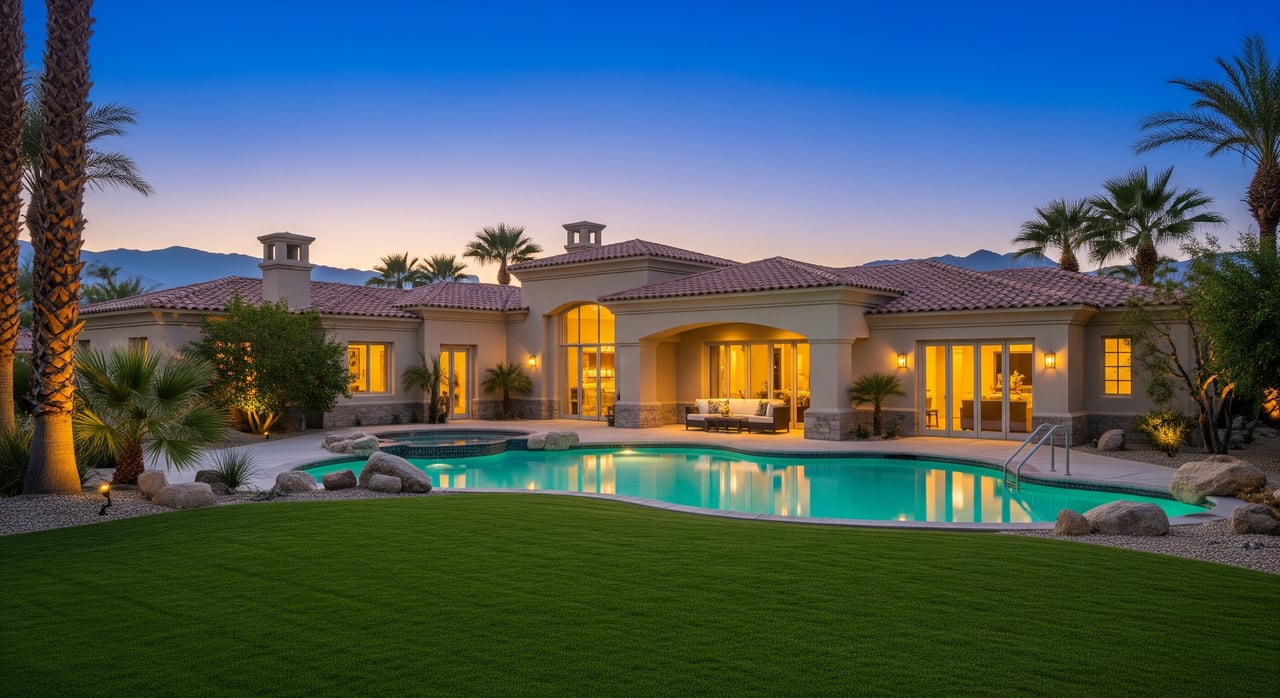
In practical terms, many Palm Desert luxury properties, golf-course estates, and homes with significant improvements can exceed the conforming cap. If your target price point is near or above the county limit, plan for jumbo underwriting. Getting the right pre-approval matters because jumbo reviews can be stricter and may require more lead time.
How jumbo underwriting differs
Credit and DTI expectations
Jumbo lenders usually want stronger credit than many conforming programs. For best pricing, expect middle-to-high 700s, though some lenders consider mid-600s with strong compensating factors. Debt-to-income ratios are reviewed closely, and many lenders prefer DTIs below about 43 to 45 percent. If your DTI runs higher, larger reserves, a lower loan-to-value, or significant liquid assets can help.
Reserves and assets
Jumbo loans often require more documented reserves. For a primary home, 6 to 12 months of total housing payments is common. For a second home, many lenders want equal or higher reserves, and investment properties often require 12 months or more. Lenders can count cash, securities, and retirement funds with applicable adjustments, as long as assets are verifiable and seasoned.
Income documentation and self-employed
Most jumbo programs follow full documentation standards. W-2 buyers should be ready with recent paystubs, W-2s, and bank statements. If you are self-employed or a business owner, expect two years of personal and business tax returns and a closer review of how lenders calculate qualifying income. Some portfolio or non-QM programs offer alternatives, such as bank-statement or asset-based qualifying, but pricing and documentation rules differ by lender.
Gifts, second liens, and PMI
Gift funds are often allowed but may come with seasoning, paper trails, and minimum borrower contribution rules. Private mortgage insurance typically applies to conforming loans, not standard jumbo products. High-LTV jumbo options can involve a second mortgage or lender-paid insurance from specialty providers, but many jumbo buyers avoid these structures by increasing the down payment.
Rates and program types
Rate dynamics vs. conforming
Jumbo rates have historically run slightly higher than conforming because there is no government-sponsored guarantee. That spread shifts with market conditions. Liquidity, investor appetite, and whether a lender keeps a loan on its own balance sheet can narrow the gap or, at times, invert it. Your rate quote will reflect your credit, loan-to-value, property type, and occupancy.
Common jumbo programs
- Conforming-sized jumbos that sit just above the county cap can price differently than very large balances.
- Portfolio jumbos held by the originating bank can be more flexible for complex income or high-net-worth profiles.
- Non-QM and alternative documentation programs cater to self-employed buyers or investors and may price higher.
- Private bank or wealth-management programs can offer bespoke underwriting and pricing to clients with significant assets under management.
Palm Desert property factors lenders consider
Taxes, Mello-Roos, and HOA dues
California property taxes generally start around 1 percent of assessed value, with voter-approved assessments added on top. Some newer or master-planned communities around Palm Desert may include Mello-Roos or other special assessments. HOA dues are common in golf, gated, and resort-style communities. Lenders include all these costs in your monthly housing expense and in reserve calculations, so build them into your budget early.
Appraisals for luxury and unique homes
High-end Palm Desert properties can be challenging to appraise due to limited comparable sales, custom features, and unique lots. Lenders often require a full appraisal by a certified local luxury appraiser and may add a second or review appraisal for very high values. If you plan to offer above recent comparable sales, prepare for the possibility of an appraisal gap and align your contingencies with that risk.
Insurance, climate, and maintenance
Desert living brings high solar exposure and heat, which can affect roofs, HVAC systems, and pools. Lenders and insurers look at condition, replacement costs, and any special risks. While most Palm Desert areas are not typical flood zones, verify maps during due diligence. If a property sits in a mapped zone, flood insurance may be required. Some areas near wildlands can trigger additional underwriting questions or inspections.
Second homes and rental intent
Palm Desert is a popular second-home market. Lenders typically require stronger reserves and larger down payments for vacation homes than for primary residences. Some lenders also limit short-term rentals or require that the property be for personal use at the time of application. If you plan to short-term rent, your loan may be treated as an investment property with different pricing and down payment needs.
Smart offer strategy with jumbo financing
Early clarity on financing can give you an edge. If you are shopping in competitive segments, consider pre-underwriting with a jumbo lender so you can make a stronger offer. Coordinate rate-lock timing with appraisal and inspection windows because large transactions can take longer to document and review. Work with your agent to structure contingencies and timelines that reflect how jumbo appraisals and underwriting actually operate in the Coachella Valley.
Jumbo buyer checklist for Palm Desert
- Verify the current county limit:
- Check the FHFA conforming loan limits for Riverside County to see whether your target price point requires a jumbo loan.
- Strengthen credit and assets:
- Aim for a strong score for the best pricing and prepare two or more months of bank statements for all accounts.
- Document retirement and brokerage accounts if you will use them for reserves.
- Prepare income documentation:
- W-2 buyers: recent paystubs and W-2s, plus tax returns if requested.
- Self-employed: two years of personal and business returns and P&L statements; ask your lender about acceptable add-backs.
- Plan down payment and reserves:
- Expect larger down payments and 6 to 12 months of reserves for primary and second homes, with more for investment properties.
- Budget for true carrying costs:
- Include property taxes, any Mello-Roos or special assessments, HOA dues, insurance, and maintenance.
- Anticipate the appraisal process:
- Allow time and budget for a detailed appraisal and the possibility of a second valuation on higher balances.
- Choose the right lender fit:
- Compare portfolio banks, private bank divisions, and jumbo-experienced brokers. If you maintain significant assets, ask about private bank programs.
- Align rate-lock and timelines:
- Coordinate your lock period with the contract, appraisal, and inspection milestones to reduce rate risk.
- Consult trusted advisors:
- Speak with a CPA about mortgage interest deductibility limits and property tax implications for your situation.
Work with a local advisor you trust
Jumbo financing rewards preparation, precise timelines, and neighborhood insight. In Palm Desert and across the Coachella Valley, you want a broker who understands luxury communities, HOA nuances, and appraisal dynamics for golf and resort properties. If you would like tailored guidance, curated tours, and discreet, results-driven representation, connect with Craig Chorpenning to request a private consultation or schedule a property tour.
FAQs
What is a jumbo loan in Riverside County?
- A jumbo loan is any mortgage above the FHFA conforming loan limit for the county. Palm Desert is in Riverside County, and you can confirm the current threshold on the FHFA conforming loan limits page.
How much down payment do jumbo loans require in Palm Desert?
- Requirements vary by lender and program, but jumbo buyers commonly put 10 to 30 percent down. Strong credit, lower DTI, and larger reserves can improve options.
Are jumbo rates always higher than conforming rates?
- Not always. Historically they trend higher, but market liquidity and investor demand can narrow or invert the spread. Your rate depends on credit, LTV, property type, and occupancy.
What counts as reserves for a jumbo mortgage?
- Lenders typically count liquid assets such as cash, checking and savings, brokerage accounts, and retirement funds with applicable adjustments. Most programs want 6 to 12 months of total housing payments, sometimes more.
Can I rent out a Palm Desert second home with a jumbo loan?
- It depends on the program. Some lenders restrict short-term rentals or require personal-use intent for second homes. If rental income is part of the plan, your loan may be treated as an investment property with different terms.