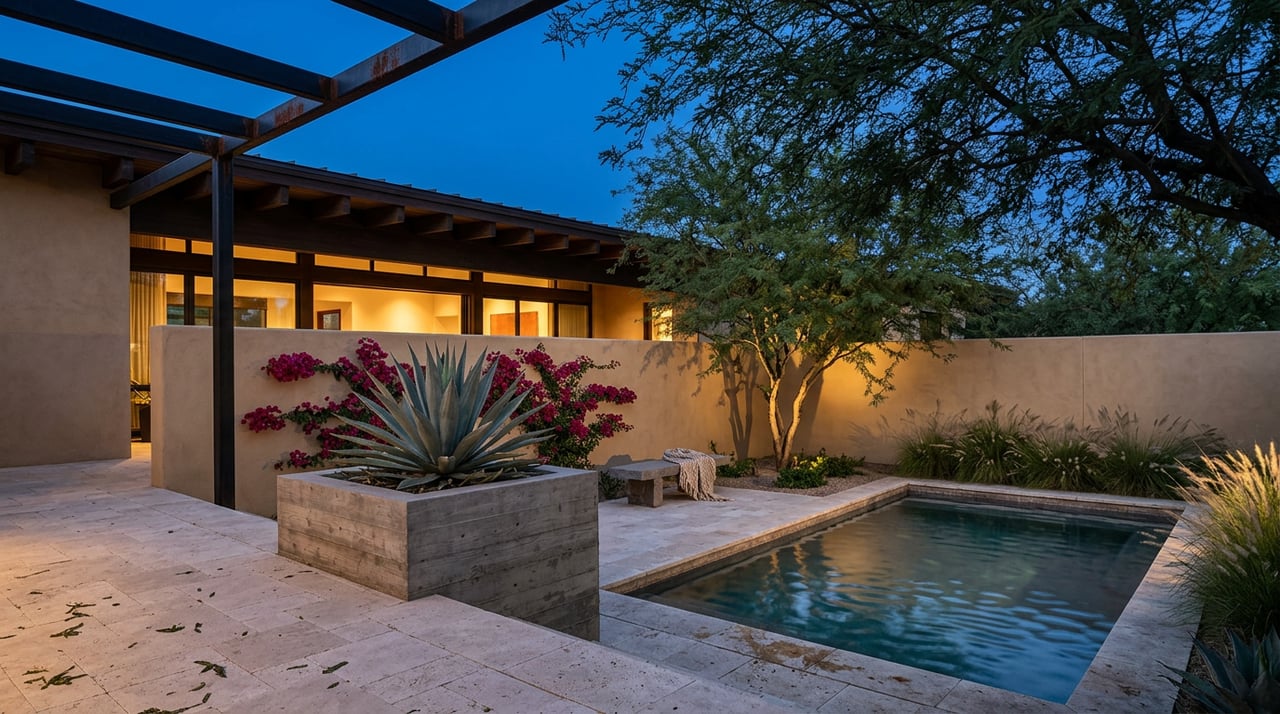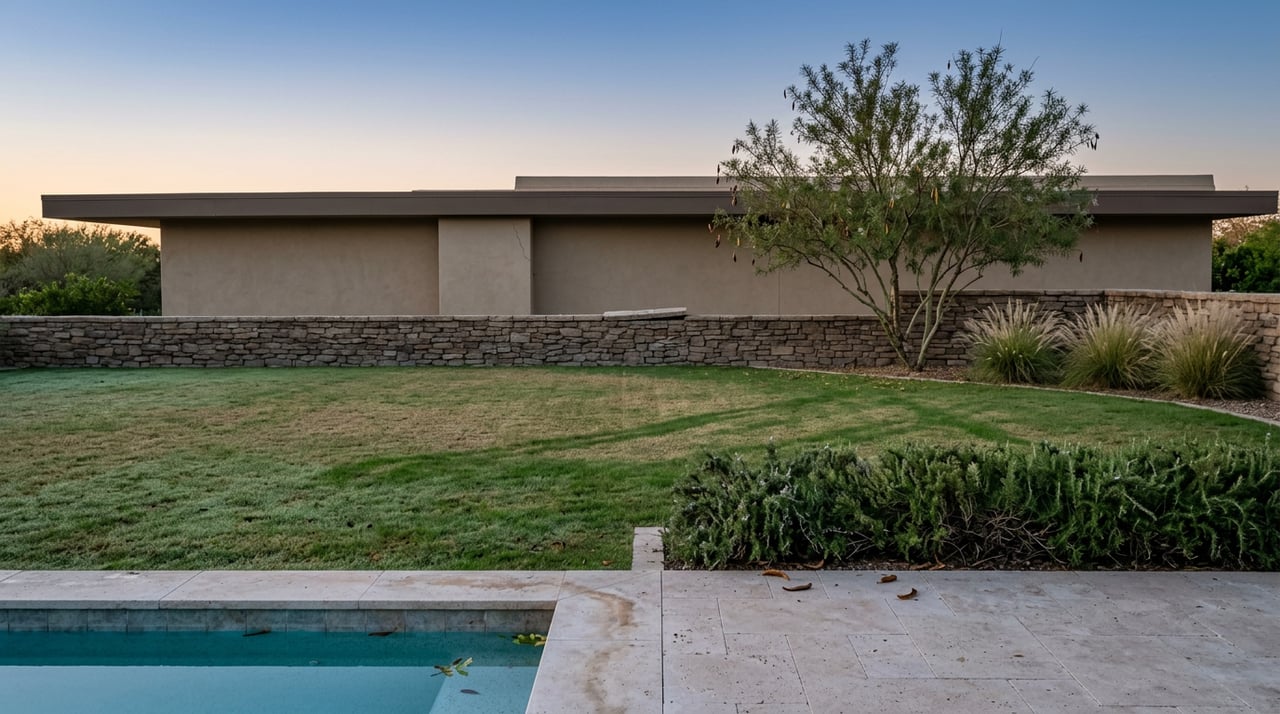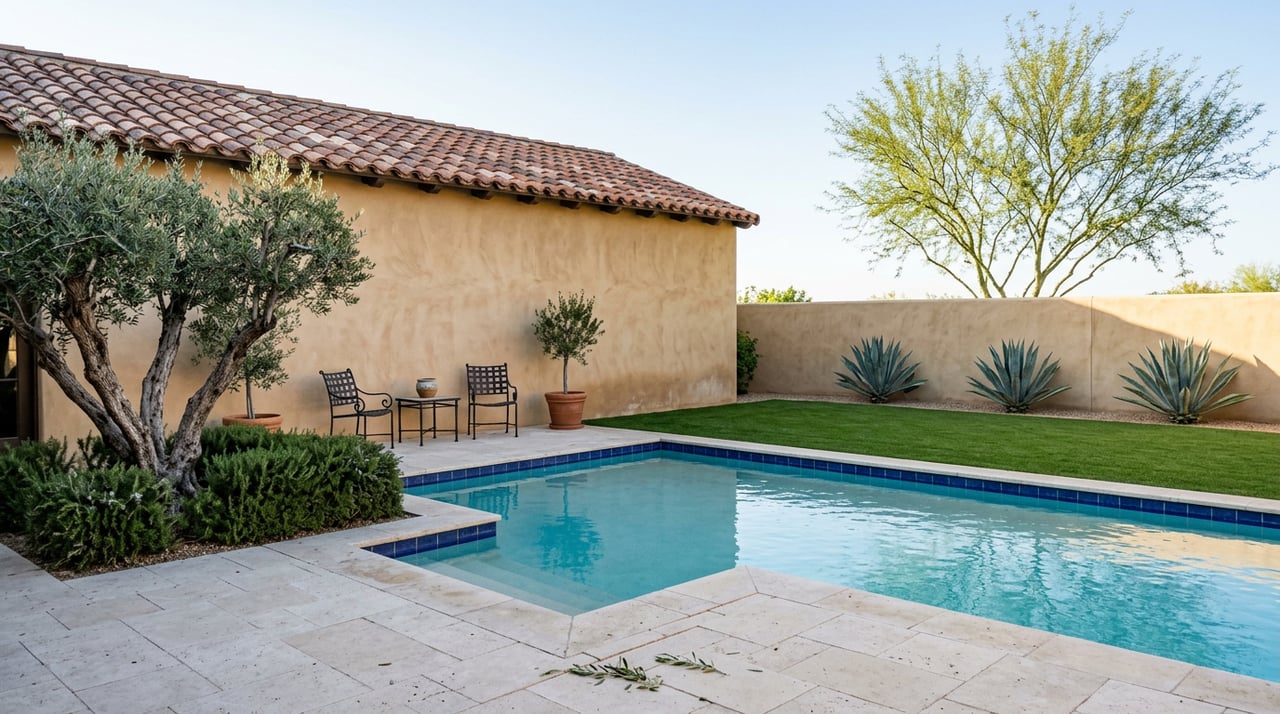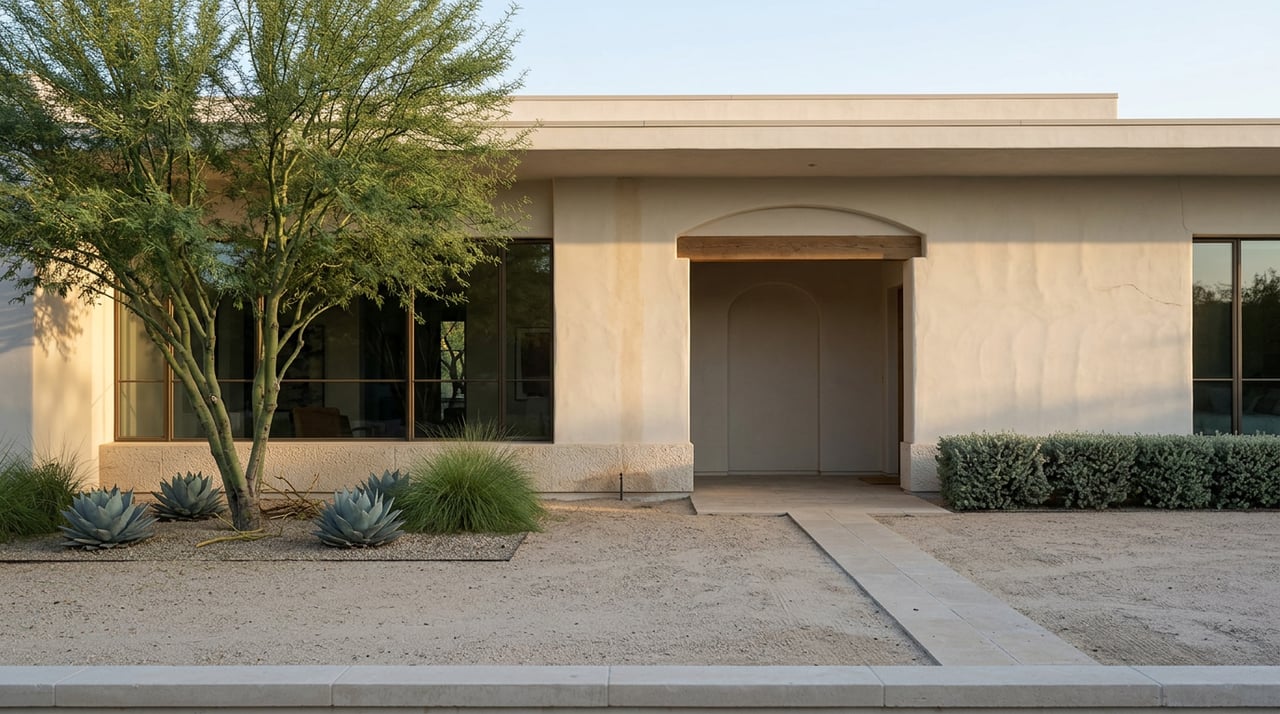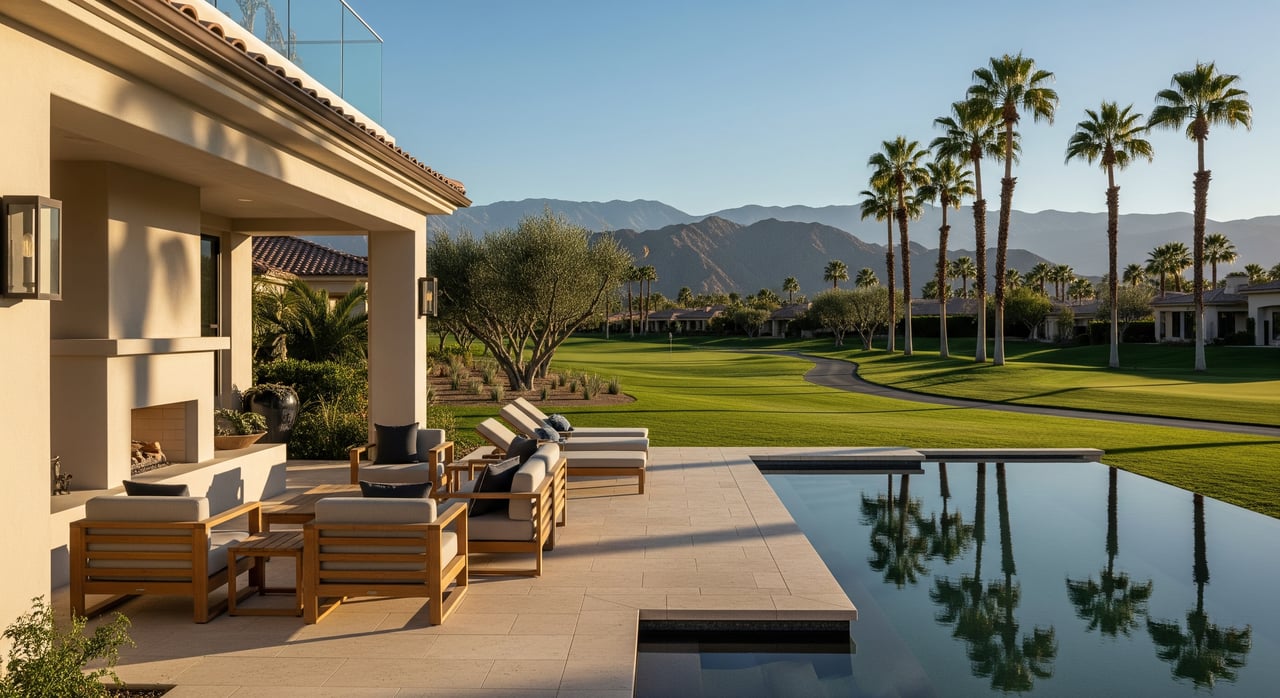
Picture yourself sipping coffee while the sun lights up the Santa Rosa Mountains and a ribbon of emerald fairway stretches beyond your patio. If you are drawn to the idea of golf course living, Monterra at PGA WEST in La Quinta can look like the perfect fit. The lifestyle is real, and so are the trade-offs. In this guide, you will learn the key pros and cons, how seasonality affects daily life, and the due diligence steps that help you buy with confidence. Let’s dive in.
What golf course living means at Monterra
Monterra sits within PGA WEST, a master-planned golf resort community in La Quinta, Riverside County. Homes are often sited along fairways and designed to capture views with patios and outdoor living areas. Most properties are in homeowners associations, and many benefits are tied to HOA rules and, in some cases, private club structures.
La Quinta is a seasonal market. Activity spikes in winter and spring when weather is mild and golf is in full swing. Summers are quieter and hotter, and many communities schedule course maintenance during these months. Understanding this rhythm helps you choose the right homesite and plan your use of the property.
Pros: Why buyers choose the fairway
Big views and open space
You get long sightlines across manicured turf, desert landscaping, and mountain backdrops. These views are a daily quality-of-life boost and a feature many buyers value at resale.
Manicured surroundings without the work
Golf course edges are professionally maintained. That means clean vistas, trimmed turf, and strategic plantings near the fairway, often without you managing those areas yourself.
Lifestyle and amenities at your doorstep
Living near fairways can put practice facilities, clubhouses, and social programming within easy reach. Many PGA WEST neighborhoods also enjoy nearby pools, fitness options, and dining that support an active, resort-style routine.
Gated access and consistent character
Gated entries and visitor controls are common, which many owners view as an added layer of privacy and security. The community attracts buyers who appreciate a low-maintenance, resort-oriented environment.
Resale positioning and potential premium
Fairway homes often carry a premium compared with interior or non-fairway locations in similar submarkets. Views, orientation, and perceived status can support demand when you go to sell.
Cons: Trade-offs to weigh
Privacy and proximity to play
Your patio and second-story decks may be visible to golfers, especially if you are near a tee box or green. During busy months, some owners feel more on display.
Noise and seasonal crowding
Peak season brings more golfers, guests, and clubhouse events. Expect busier roads, occasional parking pressure, and more activity in the mornings and evenings. Course operations can start early, including mowers, blowers, and sprinklers.
Errant golf balls and property risk
Stray shots are a reality near playable areas. Windows, screens, landscaping, and even vehicles can be at risk. Responsibility for repairs varies. Some associations or clubs may have specific policies, while others place costs on homeowners. It is important to confirm who handles what before you buy.
HOA rules and special assessments
Expect clear design and landscaping standards. Exterior changes like turf, hardscape, or putting greens usually require approval. Dues can be higher to fund gates, common-area upkeep, and amenities. Special assessments are possible, especially around course renovations or community projects.
Water, landscaping, and summer comfort
Drought guidelines and conservation programs influence landscaping choices and irrigation practices. Desert summers can be intense without proper shading and cooling strategies. Your plant palette and irrigation plan will affect ongoing costs and outdoor usability.
Membership and access not guaranteed
Owning near a golf course does not automatically grant playing privileges. Membership structures, initiation fees, monthly dues, and waitlists may apply. Treat playing rights as a separate decision and verify details with the club.
Rentals and event constraints
Some HOAs limit short-term rentals, and local regulations can restrict vacation rental activity. Club events, weddings, and tournaments can periodically add traffic and noise. If rental income or quiet weekends are important to you, check calendars and rules.
Seasonality, events, and maintenance
- High season runs from late fall through spring. Expect more golfers, social events, and overall community activity.
- Low season in summer is quieter, but you may notice scheduled maintenance like aeration, overseeding, or renovation projects.
- Daily maintenance starts early. Pre-dawn or early-morning irrigation and equipment can be audible from fairway-side homes.
- Events vary year to year. Clubs host tournaments, charity outings, and private events that can affect neighborhood flow. Review typical calendars to see how often and how large these events are.
Smart due diligence checklist
Before you move forward, walk through these steps to protect your decision:
- Confirm course adjacency
- Identify the specific hole, and whether you face a tee, fairway, or green.
- Note buffers like trees, berms, or netting between the home and play.
- Ask about golf-ball strikes and fixes
- Request any history of window, screen, or exterior repairs linked to errant shots.
- Look for protective measures such as netting or upgraded glass.
- Review HOA and club documents
- Request CC&Rs, bylaws, recent minutes, fee schedules, reserve studies, and any special assessment history.
- Confirm rules for exterior changes and landscaping, and check maintenance schedules.
- Verify club access and costs
- Ask if homeowners receive any privileges, and the current initiation and annual fees.
- Ask about waitlists and whether memberships transfer upon sale.
- Check event timing and peak impacts
- Request typical tournament dates and event frequency.
- Ask how events affect access, parking, or noise near the home.
- Clarify insurance and liability
- Confirm with your insurance provider whether golf-ball damage is covered and what endorsements are recommended.
- Ask the HOA or club what, if any, coverage they carry for on-course incidents.
- Understand water and irrigation rules
- Learn how drought restrictions are implemented by the HOA and course.
- Verify how irrigation is metered and who pays for what.
- Evaluate resale and rental potential
- Review recent comparable sales of fairway vs. non-fairway homes in PGA WEST.
- Confirm whether short-term rentals are allowed and under what conditions.
Who it fits best
You will likely enjoy Monterra at PGA WEST if you value scenic views, low-maintenance living, and convenient access to a golf-centered lifestyle. It suits buyers who appreciate a secure, resort environment and are comfortable with HOA structures and seasonal rhythms. You might prefer a non-fairway location if you need maximum privacy year-round, want guaranteed golf access without separate membership, or plan to rely on unrestricted short-term rental income.
How to evaluate a specific homesite
- Visit at different times of day and different seasons. Listen for early morning maintenance and observe how busy the area feels.
- Stand on the patio and note sightlines to tees and greens. Watch a few groups play through to understand privacy and ball-flight patterns.
- Review event calendars and ask about typical peak months. Confirm whether the home is near a cart path, practice area, or clubhouse.
- Read all HOA and club documents. Look for rules related to outdoor improvements, water use, and any planned assessments.
- Get an insurance opinion. Ask for recommendations on glass coverage or endorsements for fairway-adjacent properties.
Bottom line for Monterra buyers
Golf course living at Monterra can deliver daily beauty and a resort-forward lifestyle. The same features that make it special come with trade-offs around privacy, noise, and rules that you should understand in advance. With thoughtful due diligence, you can choose the right homesite, the right membership path, and the right ownership plan for your goals.
If you want a private, on-the-ground perspective on specific streets, holes, and view corridors within PGA WEST, reach out for tailored guidance. Request a private consultation or schedule a property tour with Craig Chorpenning.
FAQs
Are homeowners at Monterra automatically granted golf access?
- No. Ownership near the course does not guarantee playing privileges. Memberships, fees, and availability are separate and should be confirmed with the club.
How early does course maintenance start near fairways?
- Maintenance and irrigation can begin pre-dawn or in the early morning, especially in peak season or during summer maintenance windows.
Who pays for damage from errant golf balls?
- It varies. Some HOAs or clubs have policies, but many repairs fall to homeowners. Confirm coverage with your insurer and ask the HOA about any relevant programs.
Are short-term rentals allowed in Monterra at PGA WEST?
- Rules differ by HOA and are also shaped by local regulations. Verify HOA policies and local ordinances before you plan for rental income.
When is the busiest season in La Quinta’s PGA WEST area?
- Late fall through spring is high season with more golfers and social events. Summer is quieter but often includes scheduled course maintenance.
Do fairway homes in PGA WEST sell for more than interior homes?
- Often yes. Fairway orientation and views can command a premium versus similar non-fairway properties, though results vary by homesite and market timing.