How does a private golf community post some of the lowest HOA dues in La Quinta and one of the sharpest price jumps in the Coachella Valley across two reported periods? Both numbers are accurate. Neither means what it looks like it means, and the space between them is exactly what a buyer comparing La Quinta's guard-gated communities needs to understand before an offer gets written.
Redfin's current tracking puts the average home sale in The Citrus Club at $1.81 million this summer, up 62.9 percent from a year earlier. Across La Quinta as a whole, the most recently dated citywide figure in Redfin's own copy, from August 2025, showed the median sale price at $675,000, down 18.7 percent year over year. Same city, different reported periods, opposite direction. That is not one hot pocket of the market outperforming everywhere else. It is a matter of what each figure is built from, and how few transactions it takes to move one of them.
Club Membership Is Separate From HOA Dues
Start with the question of whether membership is required. The Citrus Club does not require country club membership to purchase a home. Current listing information across the community confirms this: a buyer can close escrow, receive keys, and never join the club at all. Optional membership is a separate financial decision, priced in tiers with their own buy-ins and monthly dues that have nothing to do with the HOA line on the settlement statement.
| Membership Tier | Typical Buy-In | What It Includes |
|---|---|---|
| Golf | roughly $30,000 to $40,000 | Unlimited play on the three private Pete Dye courses, with upgraded tiers adding access to the broader PGA West course collection |
| Sport | roughly $10,000 to $17,500 | Fitness center, tennis, pickleball, and pool access, no golf privileges |
| Social | roughly $5,000 to $10,000 | Clubhouse dining and the club's social calendar, no golf or court access |
These ranges come from several currently listed community pages and shift a little source to source, which is itself a clue. The Citrus Club was built out between 1990 and 2012, so a buyer touring homes today is comparing structures, membership vintages, and fee schedules set more than two decades apart. There is no single "Citrus Club price" for membership any more than there is a single build year for the homes it serves.
Why The HOA Number Looks Low
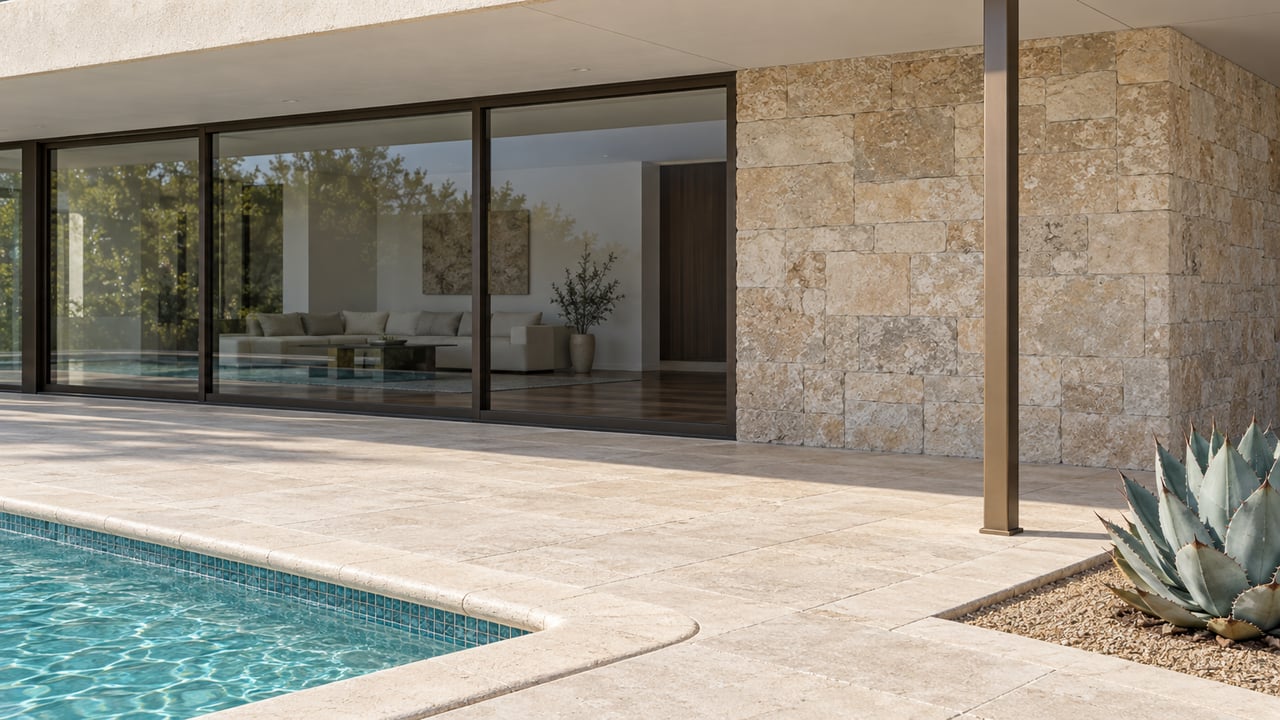
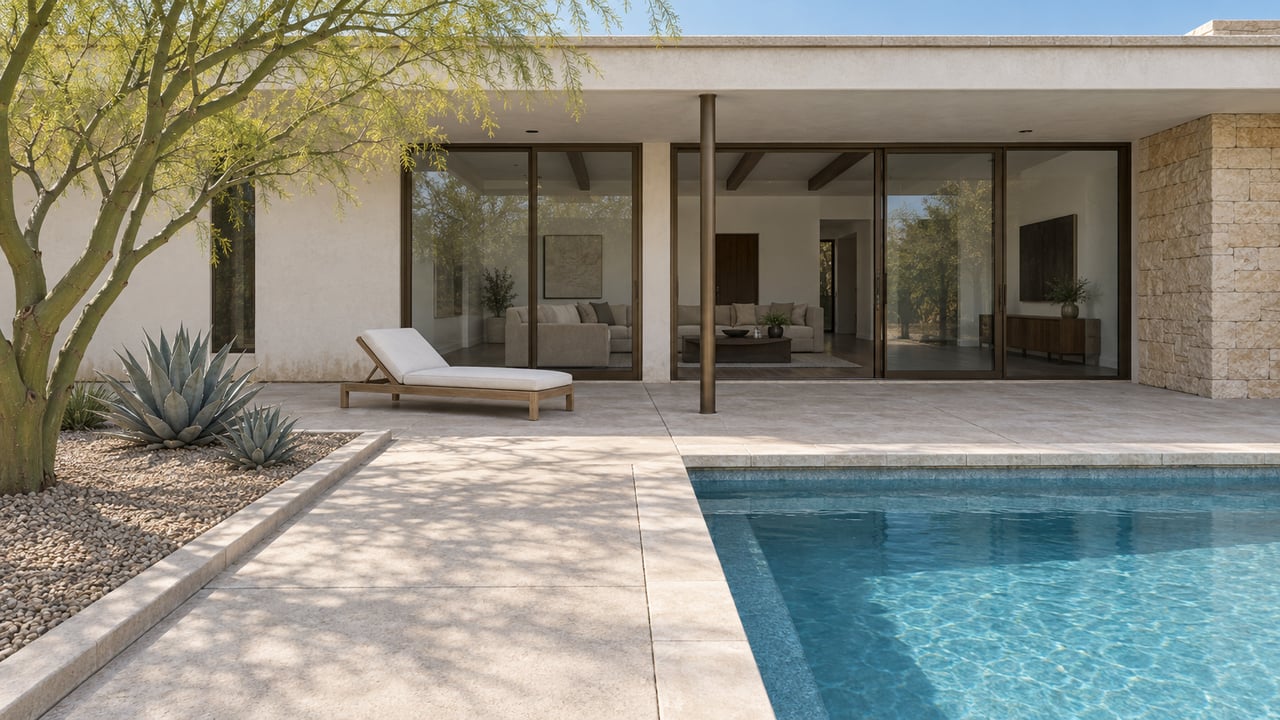
Here is the mechanism behind the low dues, and it is worth understanding before anyone treats a low HOA as a sign of low total cost. Current listings for the community consistently point to the same reason: most Citrus homes carry their own private pools rather than sharing a community pool. The HOA is not funding and maintaining recreational water features at scale the way a newer development with centralized amenities might. That cost has not disappeared. It has simply moved from a collective line item to each individual owner's utility bill, pool service contract, and equipment replacement schedule.
A July 2026 LuxuryRealEstate.com analysis of La Quinta's private golf communities, written for buyers weighing club culture rather than just square footage, put the underlying math plainly. The real cost of ownership, the piece argued, is not the sale price alone but "the purchase price plus the way the house behaves when you are gone." Desert summers are demanding on a closed house. Pools, exterior finishes, and mechanical systems age faster here than they do in milder climates, and a home with mature plantings and its own pool asks more of an owner during the months no one is living in it than a smaller property inside a community with shared upkeep.
None of this makes The Citrus Club a poor value. It makes the HOA figure a partial answer to a question buyers usually assume it fully answers.
The Average That Jumped 62.9 Percent
Now the second number, and the reason it needs a different kind of scrutiny than a citywide median does. Redfin lists The Citrus Club as home to roughly 608 residents, and in the most recent month tracked, only three homes sold in the entire neighborhood. Compare that to La Quinta citywide, where 76 homes sold in August 2025 alone. A citywide median drawn from dozens of monthly closings absorbs an outlier sale without much movement. A neighborhood average drawn from three closings does not. One custom estate on the golf course changing hands at the high end of the range is enough to pull the whole average with it.
That is the likely story behind the 62.9 percent jump. It is not evidence that every home in the community is suddenly worth 60 percent more than it was a year ago. It is evidence that a small, thinly traded neighborhood produces headline numbers that look far more dramatic than the underlying activity actually was. Redfin's own listing data for the community shows a tighter, more useful range for buyers to actually anchor on: five luxury listings recently sitting at a median of $1.38 million, and homes with a view priced at a median of $1.47 million, both figures built from a slightly larger and more current sample than the single average headline.
Time on market tells a related story. Citrus Club homes are moving in roughly 34 days on average, with some segments as tight as 32 days and others stretching past 45. Citywide, La Quinta homes are taking closer to 99 days. The gap is real. It suggests well-priced product in this community does not sit long. But a 34-day average built on a handful of sales can swing just as easily as the price average does, so it is a signal worth reading alongside the pricing, not instead of it.
What This Means When You're Comparing Offers
For a buyer or seller actually working a transaction here, the practical takeaway is straightforward:
- Ask for the HOA disclosure and the club's current membership fee schedule as two separate documents. They answer different questions, and the HOA figure was never designed to include the second one.
- Request trailing comps across several months rather than leaning on a single average, especially in a neighborhood this size where one sale can distort the number.
- Budget pool, mechanical, and grounds upkeep as an owner cost distinct from the HOA, particularly for a home that will sit empty through the hottest stretch of the year.
The community's proximity to Old Town La Quinta, SilverRock Golf Course across the street, and the seasonal draw of events like the Desert International Horse Park and Empire Polo Club competitions all help explain why demand here can spike in a given season, sometimes pulling in cash buyers who close quickly on a single standout property. That is part of what a thin market with strong seasonal pull looks like from the outside. It is not, on its own, proof of a new price floor for the neighborhood.
Quick Questions
Is country club membership required to buy in The Citrus Club? No. Current listing information for the community confirms a home purchase and a club membership are two separate decisions, and many owners buy without joining.
Why do the HOA and membership figures vary so much across listings? The community was built in phases between 1990 and 2012, and membership pricing has updated independently of the homes themselves, so figures quoted today reflect current club pricing layered over a range of home vintages.
Does the recent price jump mean now is a strong time to sell? It means the number deserves the right comparison. A market this thin can post a large average swing on a handful of closings, so a seller is better served by trailing comps and a pricing conversation grounded in recent, comparable sales than by the headline average alone.
If you are weighing a purchase or a sale inside The Citrus Club and want the membership math, the HOA disclosure, and the comps read together rather than in isolation, Craig Chorpenning can walk through what the current numbers actually support. Request a private consultation or schedule a property tour to start with the full picture.
This article is general information, not legal, tax or financial advice. Consult a qualified professional about your situation.